
Concrete contractors play an important role in San Antonio’s growing residential, commercial, and infrastructure markets. Local businesses perform work ranging from driveways, patios, sidewalks, and decorative concrete to foundations, structural slabs, retaining walls, parking areas, and large commercial projects.
SOGO Insurance helps concrete contractors in San Antonio compare insurance coverage tailored to their operations. Concrete work involves excavation, heavy materials, specialized machinery, commercial vehicles, customer property, active job sites, and finished work that may create significant business risks.
SOGO Insurance helps San Antonio concrete contractors compare policies from multiple insurance carriers. We evaluate how your company works, the projects you accept, the equipment you operate, and the contract requirements you must meet before identifying appropriate coverage options.
Get a Free Insurance Quote
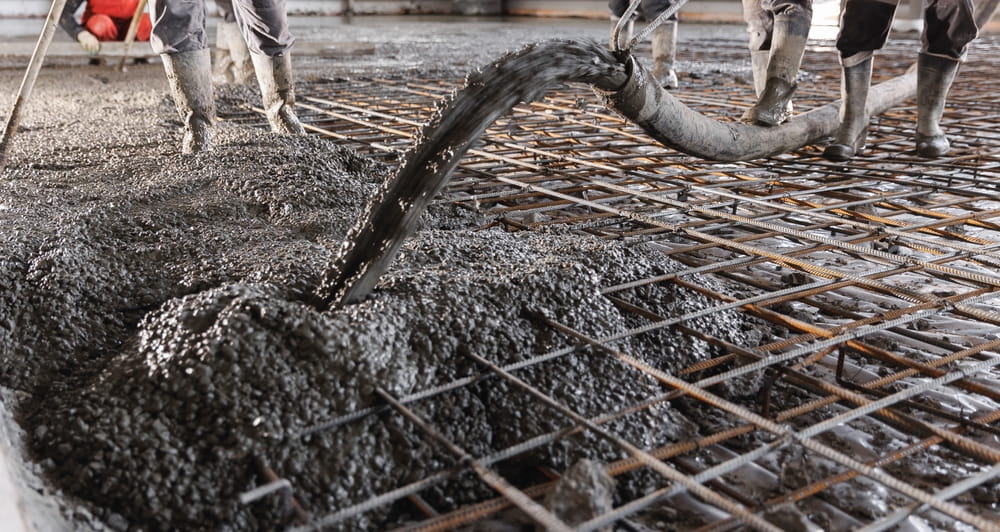
Concrete work is physically demanding and often involves heavy machinery, excavation, forms, reinforcement, cutting, pumping, pouring, and finishing. Contractors may work near existing buildings, utility systems, vehicles, pedestrians, employees, and other construction trades.
An accident or disputed project can equal high costs. Concrete contractors may face claims involving property damage, bodily injury, equipment accidents, construction defects, vehicle collisions, employee injuries, or problems discovered after the work is complete.
Insurance requirements are also common in the construction industry. General contractors, property owners, developers, municipalities, and commercial clients may require certificates of insurance, specific liability limits, additional insured status, or proof of workers’ compensation before work begins.
Concrete contractor insurance typically consists of several policies and coverage options. The right combination depends on the type of concrete work performed, project size, equipment used, employees, vehicles, contracts, and overall business exposure.
General liability insurance is one of the most important coverages for concrete contractors. It may help protect your business from third-party claims due to bodily injury and property damage from your operations. Many residential builders, commercial property owners, general contractors, and developers require concrete contractors to carry general liability insurance before starting work.
Concrete contractors rely on specialized tools and equipment to prepare, pour, finish, cut, and repair concrete. Power trowels, concrete saws, mixers, vibrators, screeds, grinders, compactors, generators, laser levels, hand tools, and other equipment represent valuable business assets. Tools and equipment insurance may help cover certain losses involving equipment that is stolen, damaged, or affected by a covered event.
Commercial auto insurance can help protect vehicles used for business purposes. Concrete contractors often depend on trucks, trailers, service vehicles, and commercial vehicles to transport employees, tools, forms, reinforcement materials, and equipment. Coverage needs may vary depending on the number of vehicles, vehicle type, trailer use, materials transported, employee drivers, and how frequently vehicles travel between job sites.
Concrete construction involves physical labor, lifting, repetitive movements, machinery, excavation, cutting, pouring, finishing, and exposure to active jobsite conditions. Texas has unique workers’ compensation rules, and businesses should understand their available options and responsibilities. Many general contractors, developers, commercial customers, and public-sector clients may require proof of workers’ compensation coverage before approving a concrete company for a project.
Concrete contractors may operate from offices, warehouses, storage yards, workshops, or other business locations. Commercial property insurance may help protect buildings, inventory, office equipment, stored tools, materials, and other business property from certain covered losses. Coverage should reflect how materials, equipment, vehicles, and business records are stored at the company’s primary location and any additional facilities.
Umbrella insurance can provide additional liability protection above the limits of underlying policies. It may be useful for concrete contractors handling larger commercial projects, managing multiple crews, operating heavy equipment, working in high-traffic areas, or accepting contracts with higher insurance requirements.
The cost of concrete contractor insurance in San Antonio depends on several factors, including business size, annual revenue, payroll, number of employees, project types, equipment value, vehicle use, subcontractor use, claims history, and contract requirements.
The services performed also affect insurance pricing. Contractors involved in structural concrete, foundation work, demolition, concrete pumping, excavation, or large commercial projects may face different exposures than businesses focused on decorative concrete, resurfacing, staining, or small residential flatwork.
Insurance pricing should be based on the actual risks your business faces. Lower-cost coverage may not provide adequate protection if it excludes important exposures involving structural work, equipment, subcontractors, completed operations, customer property, or contractual requirements.

Concrete contractors in San Antonio and Bexar County face risks related to construction sites, property owners, employees, vehicles, machinery, materials, and completed projects.
Common risks include:
Local conditions can make these risks more complex. San Antonio concrete contractors may deal with rapid housing development, commercial construction, expansive soil conditions, extreme summer heat, severe storms, flash flooding, and heavy traffic throughout major transportation corridors, including I-35, I-10, Loop 410, and Loop 1604.

Choosing the right insurance policy starts with understanding the type of concrete work your business performs and where your greatest exposures exist. Each operation has different equipment, project risks, structural responsibilities, employee exposure, vehicle needs, and customer requirements.
A contractor installing residential patios and driveways may need a different coverage structure than a business completing foundations, retaining walls, commercial slabs, parking facilities, structural concrete, or public infrastructure projects.
Avoid generic business insurance policies that do not account for construction-specific risks such as structural damage allegations, completed operations claims, equipment exposure, concrete pump accidents, employee injuries, subcontractor risk, and contract requirements.

If your business installs foundations, slabs, sidewalks, driveways, patios, parking areas, retaining walls, decorative concrete, stamped concrete, structural concrete, or other concrete surfaces in San Antonio, SOGO Insurance can help you compare insurance options across multiple carriers.
SOGO offers a wide range of niche business insurance policies for companies throughout the San Antonio area, including utility contractor insurance, fence contractor insurance, and flooring contractor insurance. We can help you compare coverage options built around the way your business operates.
Whether you are an independent concrete contractor or a growing concrete company managing multiple crews, heavy equipment, and larger projects, we can help you find insurance solutions that fit your work, equipment, contracts, and day-to-day operations.